Review: Rainbow Valentines
First Impressions of Rainbow Valentines
As a designer and embroidery product reviewer, I always start by assessing the mood and visual personality of a design. Rainbow Valentines immediately evokes a sense of joy and playfulness. The color palette is vibrant, with soft gradients that suggest a whimsical, romantic theme. The layout is clean and balanced, making it ideal for projects that need to feel both modern and heartfelt.
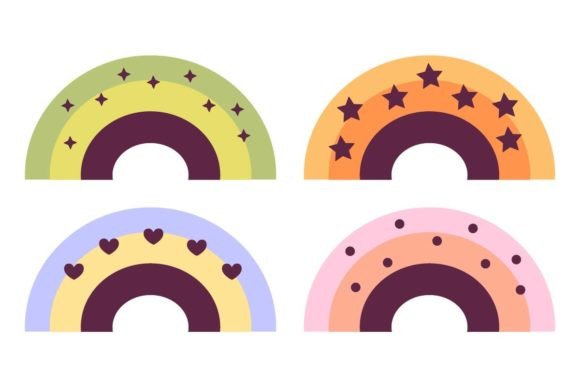
The design features a central heart shape, surrounded by a rainbow arc. It’s not overly complex, but the details are well-structured. This makes it versatile for different types of embroidery work, from simple applique designs to more intricate satin and fill stitches.
Real-Life Use Cases for Rainbow Valentines
Imagine preparing a custom embroidered tote bag for a client who wants something cheerful and eye-catching. Rainbow Valentines would be perfect for that. It’s large enough to make an impact without being overwhelming. The design works well on cotton canvas, making it suitable for reusable shopping bags, aprons, or even baby onesies.
For a sweatshirt embroidery project, this design could add a pop of color and personality. It would look great on light-colored fabrics, where the colors can really shine. However, it might not be the best choice for dark backgrounds unless the thread colors are carefully selected to stand out.
When thinking about baby items, like a onesie or a blanket, Rainbow Valentines offers a gentle, colorful touch. It’s not too bold, which is important for children’s products. The design also has potential for holiday gifts, such as personalized pillow covers or tea towels for Valentine’s Day.
Performance in Real Embroidery Situations
Using Rainbow Valentines on custom apparel requires attention to stitch density. The design isn’t too dense, so it should work well on most standard hoop sizes. However, if you're working on a small hoop, you may need to adjust the placement to avoid over-stitching in tight areas.
On textured fabrics, like fleece or knits, the design might appear slightly less defined. That’s why it’s important to test it on scrap fabric first. For thin or stretchy materials, using the right stabilizer will help maintain the integrity of the design during stitching.
For layered garments or curved surfaces like caps, Rainbow Valentines may require some adjustments. The rainbow arc could be challenging to stitch on a curved surface without distortion. If you’re planning to use it on a cap, consider simplifying the design or adjusting the hoop size accordingly.
Where to Use Rainbow Valentines Carefully
While Rainbow Valentines is visually appealing, there are situations where it might not perform as well. On dark fabrics, the design could blend in unless you choose bright thread colors. Similarly, on very thin or delicate fabrics, the stitch density might cause puckering or damage.
If you're planning to use this design for a product that will be washed frequently, like a towel or a pillow cover, ensure that the stitches are secure and the stabilizer is appropriate for the fabric type. Tiny lettering or detailed corners could be problematic if the design isn’t optimized for those elements.
For commercial embroidery projects, it's crucial to check the licensing terms before selling finished products or digital files. Even though the design is free, you want to make sure you’re compliant with any restrictions related to resale or modification.
Impact on Visual Appeal and Customer Perception
When it comes to visual appeal, Rainbow Valentines is a strong contender. Its vibrant colors and playful design can elevate the look of any handmade product. It adds value to personalized gifts and helps create a professional appearance for small business merchandise.
Customers often respond positively to designs that feel unique and creative. Rainbow Valentines can help build trust in your brand, especially if you’re selling handmade or custom items. It also enhances giftability, making it a great choice for holiday or special occasion projects.
For Etsy sellers and craft entrepreneurs, this design offers flexibility. It can be used in printable mockups, digital product previews, or as part of a larger collection. It’s also useful for boutique branding, where consistency in design style is key.
Practical Embroidery Designer Notes
Before committing to a project, always test the design on scrap fabric. This will give you a better idea of how it looks in real life and whether it meets your expectations. Check the thread color contrast, especially if you're working with dark or light backgrounds.
Review the stitch density to ensure it’s suitable for your project. If the design is too dense, it might cause issues on certain fabrics. Confirm the hoop size needed for your machine, and inspect small details to see if they hold up under stitching.
Testing the design in black and white mockups can help you understand how it will look without the color. This is especially useful if you’re planning to use it in a variety of contexts or on different fabric types.
Lastly, make sure the design works for both personal and commercial use. If you’re selling finished items or digital products, confirm the licensing terms to avoid any legal issues down the line.